Frequently asked questions
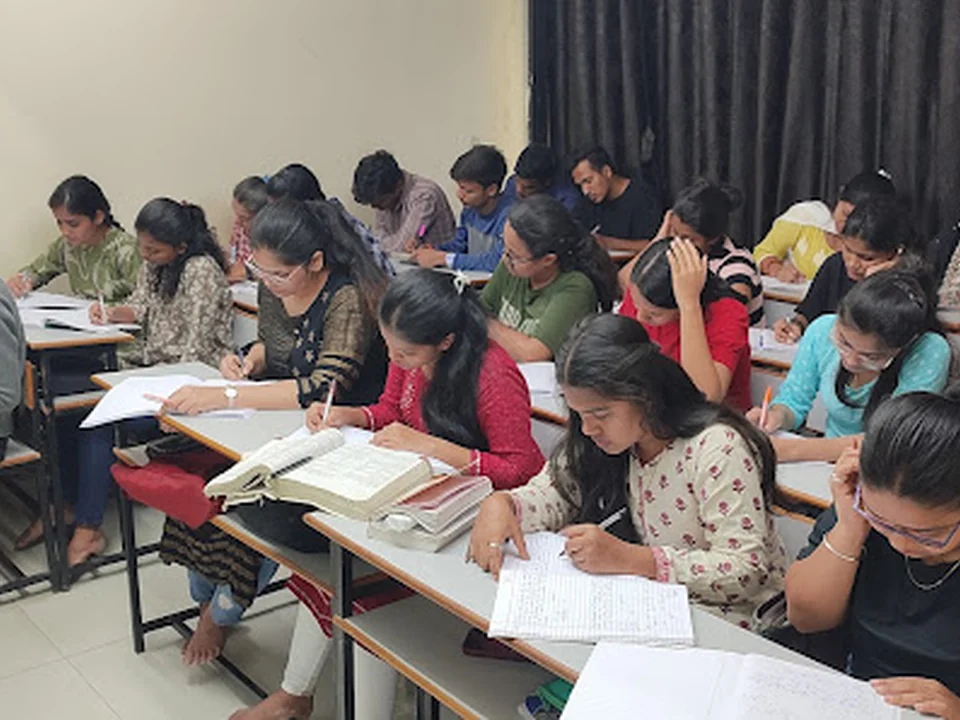
Which makeup academy path suits a complete beginner?
Look for an academy specifically associated with beginner guidance, confidence building or practical beauty instruction. Ask how the course introduces tools, skin preparation, application and hygiene before moving to more advanced looks.
A supportive format with individual feedback may be more useful than a course aimed mainly at experienced artists.
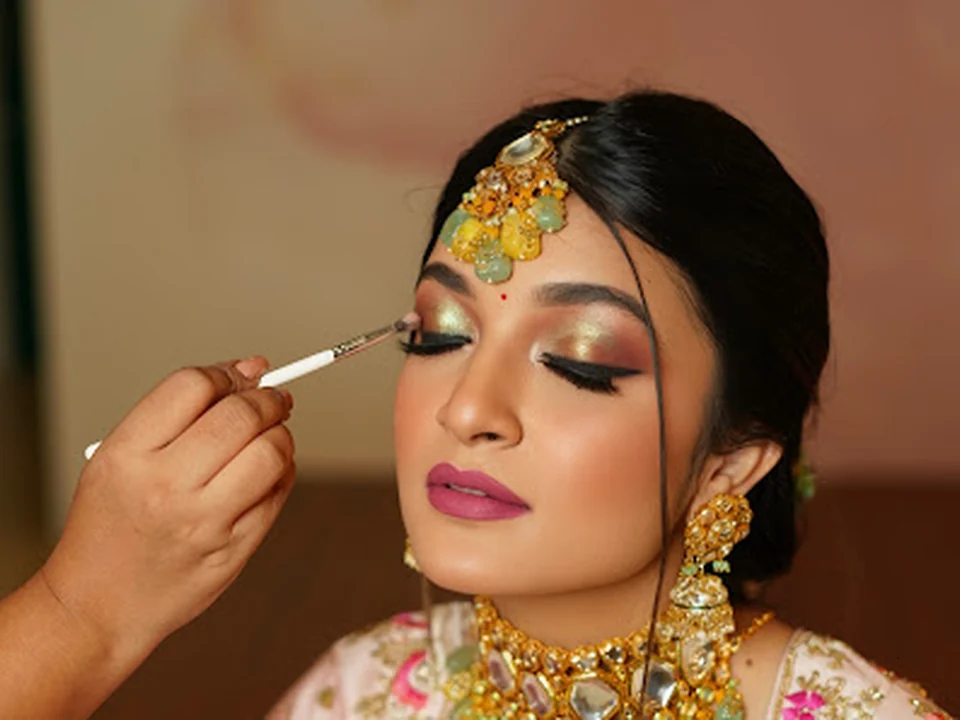
Where should aspiring bridal makeup artists start?
Choose a programme with a clear bridal focus and ask how much practice covers different skin tones, long-wear preparation, trials and client consultation. Bridal work also benefits from careful planning and reliable organisation.
Confirm whether portfolio work and supervised practical sessions form part of the learning format.
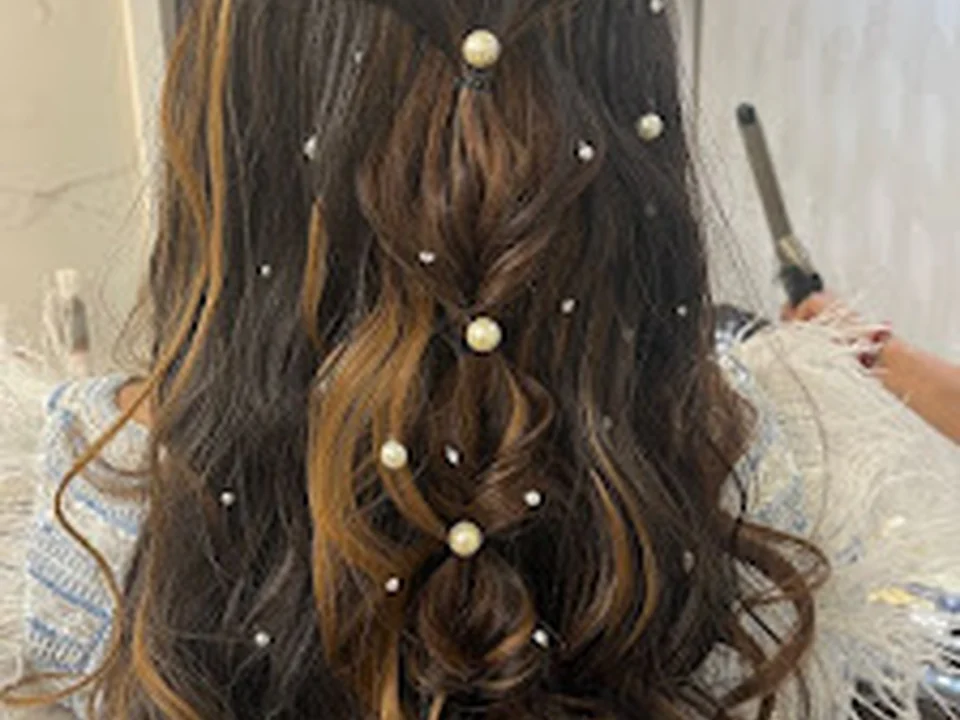
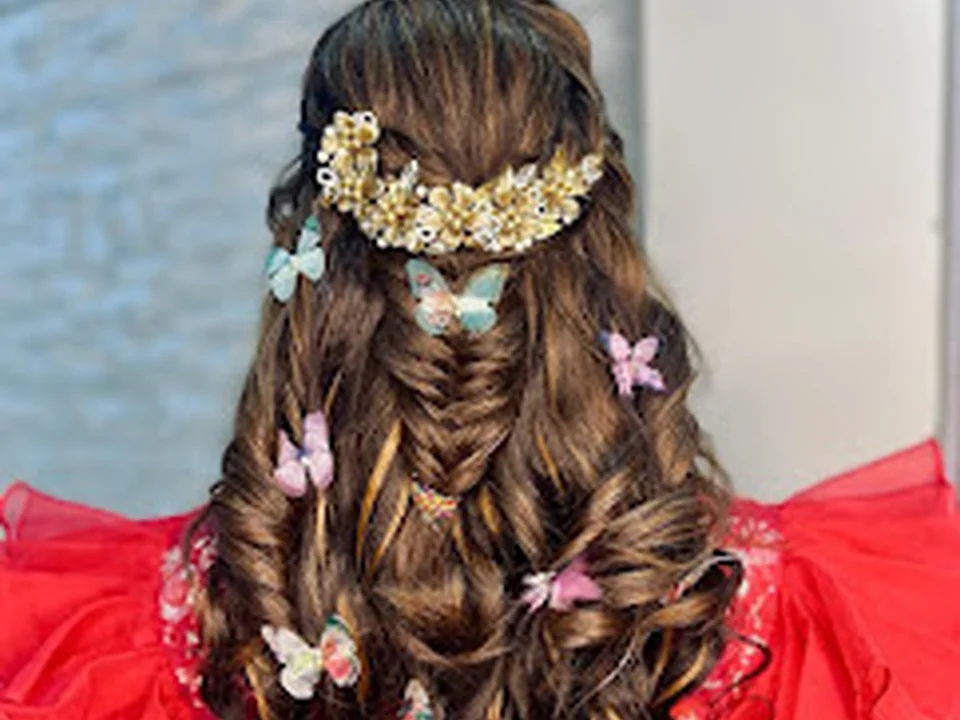
Can I learn hair and makeup together?
Yes, some listed academies are suited to beginners learning makeup and hairstyling together, while others also connect training with media work. Compare the actual timetable and practical balance rather than relying on the academy title.
Ask whether tools, models and practice time for both disciplines are included.
What should I ask about portfolio development?
Ask how many looks you can create, whether models or shoots are arranged, how feedback is given and what images you can use afterwards. A portfolio-focused course should explain the practical work clearly.
Also confirm the expected materials, attendance pattern and whether additional practice is needed outside class.
Do makeup academies offer occasion makeup training?
Several options are associated with engagement, occasion or subtle makeup, making them relevant if you want skills for clients rather than only editorial work. Discuss the looks you want to learn and the level of finish expected.
Check the course schedule and practical demonstrations before committing.
 #1